
mondaybrew
Lead flow design
CUSTOMER FLOW

Lead generation isn't about more leads. It's about the right ones.

We help design a conversion flow that balances friction and volume — so you get inquiries you can actually work with.

More leads is rarely the solution. Better flow is.

THE TYPICAL PROBLEM

When leads become a discussion about quality

"We get lots of leads, but they're bad." That's a sentence we hear often. And it usually leads to a discussion about who's to blame — marketing or sales.

But "bad leads" is rarely a problem with the ads. It's a symptom of something else: lack of friction in the flow, unclear expectation setting, or a booking flow that doesn't filter properly.

The solution isn't to point fingers. It's to understand where in the flow things go wrong — and then design it differently.

OUR PRINCIPLE

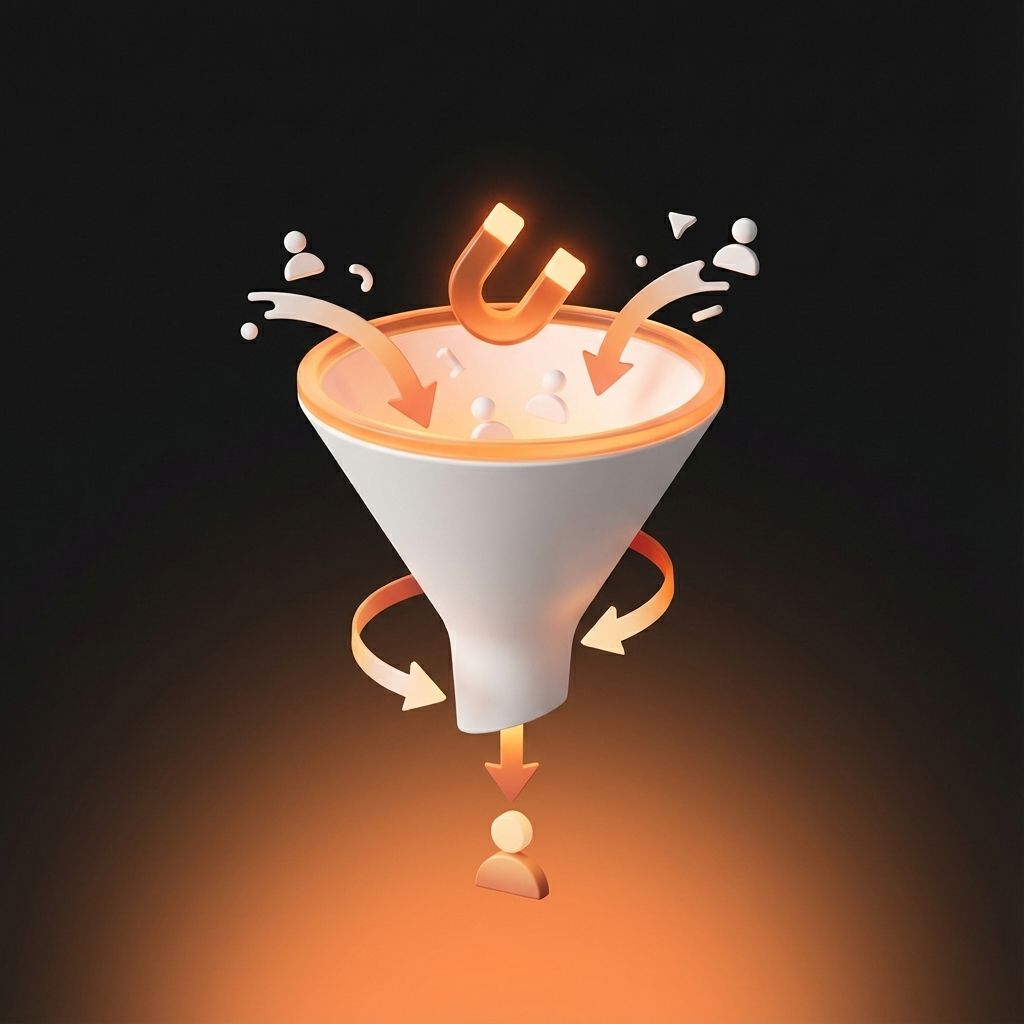
Lead quality is a design choice — not luck.

The quality of your leads isn't random. It's a result of how the flow is designed. What questions do you ask? How much friction is there? What happens between interest and booking?

Less friction means more inquiries — but often lower quality. More friction means fewer — but often better match. It's about finding the right balance for your business.

Our job is to help you understand that trade-off — and then design a flow that fits your situation.

Quality as a design choice
THE CONNECTION

Lead generation isn't isolated

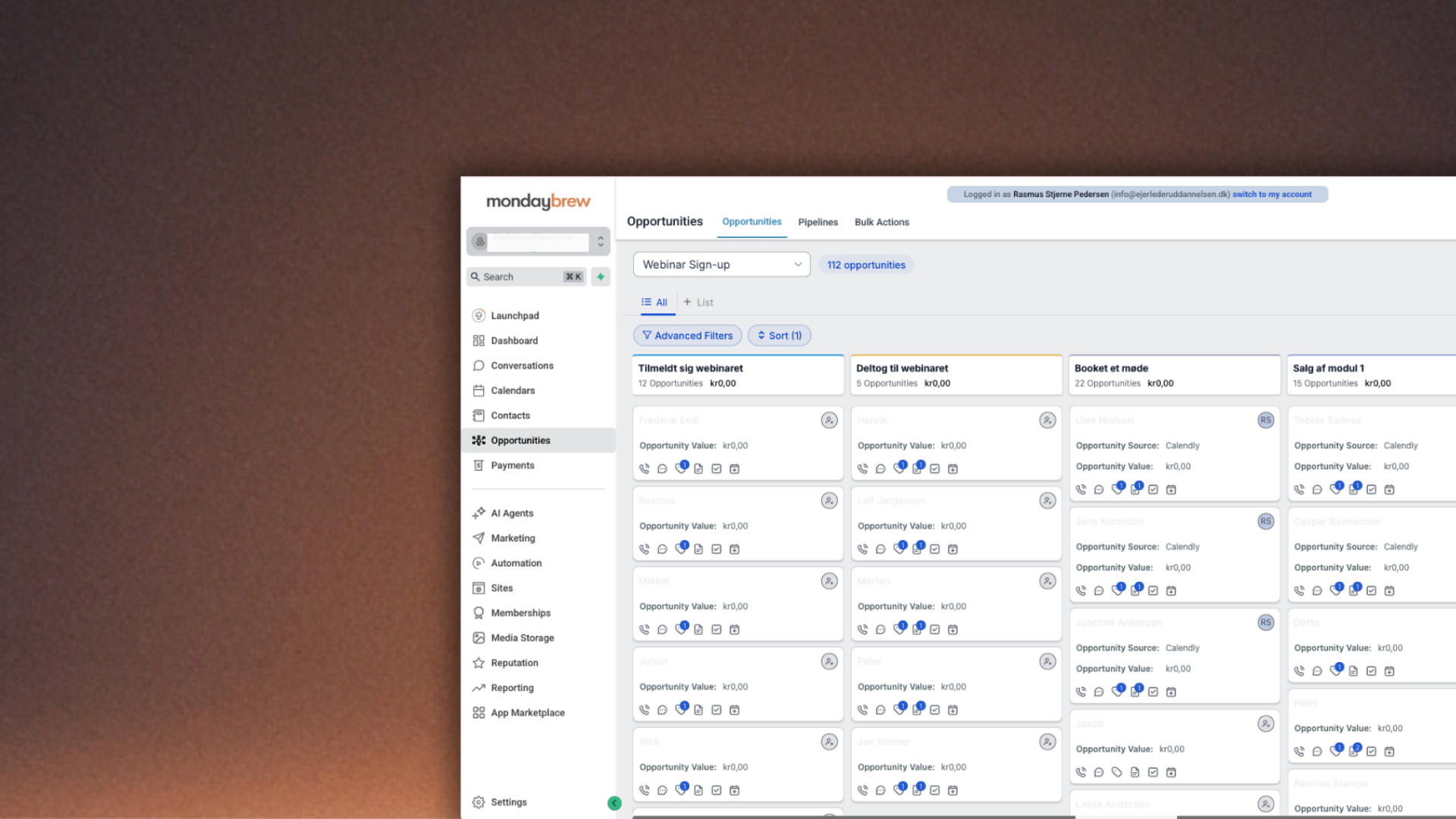
Lead generation is about more than forms and landing pages. It's the layer that connects your advertising to your follow-up. Where interest becomes action.

For some businesses, the flow is simple: an ad, a landing page, a form. For others, it's more complex with multiple touchpoints and longer decision processes.

The important thing is to understand where lead generation fits in your specific situation — and then design it accordingly.

Connected system

SUCCESS

Success is predictable quality

It's not about the most leads. It's about knowing what you get — and being able to control it. A good lead flow gives you control over quality and volume, so you can adjust to your capacity.

Predictable quality
Balanced
Friction
Diagnosable
Flow
Controllable
Quality
HONESTY

Lead generation isn't always the right first step

Lead generation works best when you have a system to handle the leads that come in. When you have capacity for follow-up and a sales process that can convert.

If your CRM isn't set up — if leads fall through the cracks — other things might be more relevant as a starting point. Flow in your existing processes comes before more leads.

We always assess whether lead generation makes sense in your specific situation. Sometimes the answer is yes. Sometimes it's: get the system in order first.

See CRM solutions
THE DIFFERENCE

Two ways to think about lead generation

Is it about as many leads as possible, or about the right leads that actually convert?

Our approach

We start by understanding your sales process. Every lead strategy is built to deliver leads that actually match your capacity and qualification criteria.

  • Diagnosis of your sales process before recommendation
  • Lead qualification tailored to your specific criteria
  • Connection between lead and follow-up flow
  • Overview of the entire journey from click to customer
  • Control over lead quality rather than just volume

The typical approach

Focus on volume and lead count. Success is measured in forms filled — without regard for quality or what happens afterward.

  • Promises a certain number of leads without knowing your situation
  • Sells standard solutions that fit all industries
  • Focuses only on cost-per-lead without quality assessment
  • Ignores what happens after the lead is collected
  • Prioritizes volume over conversion to sales

Frequently asked questions

Practical

NEXT STEP

Let's look at your lead flow

No sales pitch. Just an honest conversation about how your current flow works — and what could potentially be improved.